Evaluating the 3D Dog Paw Shadow Box SVG and Mandala Layer Design for Laser Cutting
In the realm of digital fabrication, the transition from a flat vector file to a tangible, three-dimensional object represents one of the most satisfying aspects of using CNC laser cutters and electronic cutting machines. Among the myriad of designs available for creators, the 3D Dog Paw Shadow Box SVG combined with a Mandala Layer stands out as a technically interesting asset. This is not merely a decorative image; it is a structured engineering file designed specifically for layering. For professionals and hobbyists alike, understanding the utility, file structure, and practical application of such a design is essential before integrating it into a workflow or product line.
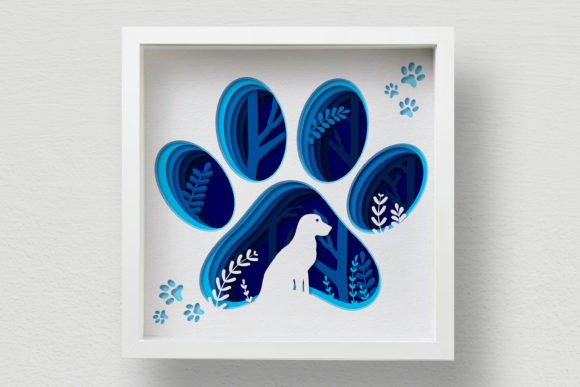
This digital product consists of eight separate layers, a specific architectural choice that dictates how the final piece is assembled. The inclusion of a mandala element adds geometric complexity, contrasting the organic shape of the dog paw. When evaluating this asset, one must look beyond the preview images and consider the technical specifications, material compatibility, and the end-user experience. Whether you are a small business owner looking to diversify your inventory or a home decor enthusiast aiming to personalize a space, the viability of this design depends on its execution and flexibility.
Technical Architecture and File Versatility
The core value of any vector design intended for fabrication lies in its file format compatibility and structural integrity. This particular package delivers a comprehensive suite of formats, including .AI, .SVG, .DWG, .EPS, .DXF, .PNG, and .PDF. This breadth of options is critical for a professional workflow. A user operating a high-end industrial laser cutter may prefer the precision of a .DXF or .DWG file, while a crafter using a Silhouette or Cricut machine will find the .SVG format indispensable. The availability of an .EPS file ensures compatibility with older versions of Adobe Illustrator, catering to a wider range of software environments.
The design is engineered as a multi-layered system. Unlike single-cut files that rely on scoring or folding, this shadow box relies on the stacking of eight distinct planes. Each layer is numbered, a detail that significantly reduces assembly errors. The inclusion of a GUIDE.pdf file, which explicitly maps out the layer numbering, demonstrates a thoughtful approach to user experience. In complex layered projects, confusion over stack order can ruin materials and waste time. By providing a clear visual reference, the creator of this asset acknowledges the practical challenges of assembly and mitigates them proactively.
Furthermore, the design includes an Alphabet SVG Font File. This addition transforms the project from a static decoration into a customizable gift. Users can integrate names, dates, or short messages directly into the composition without needing to source external typography that might clash with the existing aesthetic. This level of customization is often what separates a generic craft item from a cherished keepsake.
Material Compatibility and Dimensional Considerations
The finished product is designed to measure 10x10 inches, a standard dimension that fits comfortably within the working areas of most desktop laser cutters and large-format electronic cutters. However, the success of a 3D shadow box is heavily dependent on material selection. The documentation suggests using standard cardstock, plywood, cardboard, paper, or plexiglass. Each material offers a different visual and structural outcome.
When using cardstock or paper, the focus is on color contrast. Since the layers are thin, the depth is achieved through the shadows cast between the sheets. This method is cost-effective and allows for rapid prototyping. Conversely, using plywood or acrylic introduces actual physical depth and durability. For a professional selling these as home decor items, wood or acrylic provides a premium feel that justifies a higher price point. The "Mandala Layer" aspect of the design benefits particularly from translucent materials like acrylic, where light can pass through the intricate geometric cuts, creating a stained-glass effect when backlit.
It is important to note that working with eight layers requires precise calibration of the cutting machine. If the kerf (the width of the cut) is not accounted for, layers may not fit together snugly, leading to a loose or unstable structure. Experienced operators know to test-cut a single layer first to verify dimensions before committing to a full batch. The reliability of this vector design hinges on the assumption that the user has calibrated their equipment correctly, as the files themselves are drawn to exact specifications.
Practical Applications and Market Viability
From a commercial perspective, the 3D Dog Paw Shadow Box serves multiple market niches. The primary audience includes pet owners, a demographic known for high emotional engagement and willingness to invest in personalized goods. As a memorial piece for a beloved pet or a celebratory gift for a new adoption, the paw print motif carries significant emotional weight. The addition of the mandala pattern elevates the design from a simple silhouette to a piece of art, making it suitable for general home decor even for those without a specific pet connection.
For entrepreneurs and freelancers, this asset offers a pathway to product diversification. Because the file allows for commercial use—specifically permitting the sale of the physical product made according to the design—it can be integrated into an existing catalog of laser-cut goods. The ability to customize the text using the included font file means that each unit sold can be unique, reducing the perception of mass production. This is a crucial strategy for small businesses competing against big-box retailers; offering personalization creates value that cannot be easily replicated by automated manufacturing giants.
Educators and workshop leaders may also find value in this design. The step-by-step nature of assembling eight layers makes it an excellent project for teaching spatial reasoning, patience, and fine motor skills. In a classroom or community maker-space setting, the clear layer numbering and guide file facilitate independent work among students, allowing the instructor to focus on safety and technique rather than troubleshooting assembly confusion.
Strengths, Limitations, and User Experience
The strengths of this digital product are rooted in its completeness and adaptability. The provision of nearly every major vector and raster format removes technical barriers to entry. The inclusion of the assembly guide and alphabet font adds substantial value, saving the user hours of additional design work. The eight-layer structure provides enough complexity to create a striking 3D effect without becoming so intricate that it becomes fragile or impossible to assemble.
However, potential users should be aware of certain limitations inherent to layered designs. First, the thickness of the material directly impacts the final dimensions. While the design is 10x10 inches in the vector space, stacking eight layers of 3mm plywood will result in a final object that is significantly thicker and potentially slightly larger in footprint due to the angle of the stack if not perfectly aligned. Users must plan their framing or display methods accordingly.
Additionally, while the design is robust, it requires a machine capable of handling fine details, especially within the mandala sections. Lower-powered diode lasers or dull blades on cutting plotters may struggle with the intricate inner cuts of the mandala, leading to tear-out or incomplete cuts. Therefore, the "effectiveness" of this design is partially dependent on the quality of the user's hardware. It is best suited for intermediate to advanced users who understand how to adjust power, speed, and frequency settings to match their chosen material.
Another consideration is the time investment. Assembling eight layers, applying adhesive, and ensuring alignment is a manual process that cannot be fully automated. For high-volume production, this labor cost must be factored into the pricing model. While the cutting process may be fast, the assembly is where the bulk of the time lies. This makes the product ideal for boutique sales or custom orders rather than high-speed mass production.
Final Assessment for Creators and Professionals
The 3D Dog Paw Shadow Box SVG with Mandala Layer represents a well-constructed digital asset that balances aesthetic appeal with functional design. Its strength lies in the thoughtful inclusion of supporting files like the assembly guide and alphabet font, which streamline the production process. For professionals in the laser cutting and crafting industry, it offers a reliable foundation for creating high-margin, personalized products. The versatility in file formats ensures it can be deployed across various hardware setups, from industrial CNC routers to desktop hobbyist cutters.
For the end consumer or the hobbyist, the project offers a rewarding build experience. The clear instructions and logical layer progression make it accessible, while the final result—a textured, dimensional piece of art—provides a sense of accomplishment. Whether used to decorate a home office, commemorate a family pet, or expand a small business's product line, this design delivers on its promise of uniqueness and quality. As with any digital fabrication project, success ultimately depends on the operator's skill and material choices, but this vector design provides a solid, professional-grade starting point for achieving excellent results.