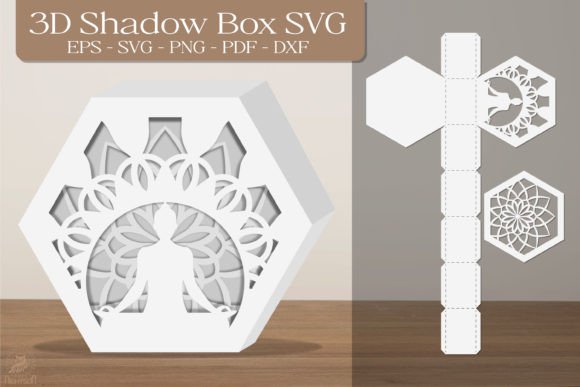
Namaste Mandala 3D Shadow Box SVG Guide
In the world of modern crafting and digital design, the intersection of spiritual symbolism and precise engineering creates some of the most compelling visual art. The Namaste Mandala 3D Shadow Box SVG represents more than just a file for your cutting machine; it is a bridge between ancient mindfulness practices and contemporary layered paper art. For creators ranging from hobbyists to small business owners, understanding how to leverage this specific design format can transform a simple project into a profound statement piece. This guide explores the practical applications, technical advantages, and creative potential inherent in this multi-format design asset.
The Intersection of Mindfulness and Layered Design
At its core, a mandala represents the universe, serving as a tool for meditation and a symbol of harmony. When combined with the "Namaste" greeting—a recognition of the soul in one by the soul in another—the design carries a weight of intention that resonates deeply with viewers. Translating this into a 3D shadow box format adds a physical dimension to that spirituality. Unlike flat prints, a shadow box relies on depth, light, and shadow to create movement. As light hits the different layers of the cut design, shadows shift, making the static image feel alive.
For educators and therapists, this dynamic quality is particularly valuable. Creating a Namaste Mandala shadow box can be a meditative process in itself. The act of weeding, layering, and assembling the intricate cuts requires focus and patience, mirroring the mindfulness the design represents. For professionals in wellness sectors, offering a kit or a workshop centered around this specific SVG allows clients to engage in a tactile form of stress relief while producing a decorative item that reinforces their personal goals for peace and balance.
Technical Versatility Across File Formats
One of the most significant advantages of acquiring a comprehensive design package is the flexibility it offers across different stages of production. A robust asset pack typically includes an SVG for cutting, alongside AI CS6, EPS, PDF, DXF, and high-quality PNG files. This variety ensures that the design is not locked into a single workflow but can adapt to the specific tools and software you already possess.
The SVG for cutting is the backbone for users of machines like Cricut or Silhouette. These files contain the precise vector paths needed for clean cuts in cardstock, vinyl, or even thin wood. However, the inclusion of AI CS6 and EPS files opens doors for graphic designers who need to manipulate the vector nodes before sending them to a cutter. If you are preparing a marketing campaign or a product catalog, the High Quality PNG allows for immediate use in digital mockups without needing to photograph a physical prototype first. Meanwhile, the DXF format ensures compatibility with older software versions or specialized CAD programs used in laser cutting environments.
This multi-format approach solves a common problem for freelancers and agencies: client compatibility. You never have to worry if a client uses Adobe Illustrator or Inkscape; the file suite covers the spectrum. It streamlines the handoff process, reducing back-and-forth communication about file types and ensuring that the final output matches the original vision regardless of the software ecosystem involved.
Enhancing Small Business Offerings
For small business owners and entrepreneurs, differentiation is key. The market for handmade home decor is saturated, but niche, meaningful designs stand out. A Namaste Mandala 3D Shadow Box appeals to a specific demographic interested in yoga, meditation, and bohemian aesthetics. By utilizing this design, shop owners can create limited-edition wall art, greeting cards, or even wedding favors that carry a deeper narrative than generic patterns.
Consider the efficiency gains in production. Because the design is pre-vectorized and optimized for layering, the time spent on setup is minimized. You can focus on material selection—perhaps choosing recycled papers for an eco-friendly angle or metallic cardstocks for a premium look—rather than struggling with trace errors or broken paths. The precision of the provided vectors means less wasted material due to cutting mistakes, directly impacting your profit margins.
Furthermore, the scalability of the design allows for diverse product lines. The same SVG can be scaled down for intricate jewelry pendants using shrink plastic or scaled up for large-scale lobby installations in yoga studios. This adaptability allows a single purchase to fuel multiple revenue streams, from physical goods to digital downloads where you sell the finished cut files to other crafters (depending on the license terms).
Practical Applications for Educators and Creators
Beyond commerce, this design serves as an excellent educational tool. Art teachers and workshop facilitators can use the Namaste Mandala 3D Shadow Box SVG to teach principles of geometry, symmetry, and spatial reasoning. Students learn how two-dimensional shapes interact to create three-dimensional illusions. The layering process teaches color theory, as placing a yellow layer over a blue background creates a different visual effect than placing it over white.
For bloggers and content creators, the visual appeal of a completed shadow box provides high-engagement content for social media platforms. The interplay of light and shadow makes for captivating video content, such as time-lapse assembly videos or "golden hour" photography reels. These visuals can drive traffic to tutorials or affiliate links related to crafting supplies. The universal appeal of the mandala ensures that the content resonates across cultural boundaries, expanding potential audience reach.
Material Considerations and Best Practices
To achieve the best results with this design, material selection is critical. While the SVG handles the geometry, the physical outcome depends on the substrate. Heavyweight cardstock (80-110 lb) is generally recommended for shadow boxes to ensure the layers hold their shape and do not warp under the weight of adhesives. Foam adhesive tabs are essential for creating the necessary depth between layers; standard glue will flatten the effect.
Lighting is another often-overlooked factor. A shadow box is designed to be viewed with a light source. Placing the finished piece near a window or installing a small LED strip within the frame can dramatically enhance the 3D effect. For those selling these items, including care instructions on how to display the piece for optimal shadow play adds a professional touch and ensures customer satisfaction.
Limitations and Fit
While versatile, this design is not without considerations. Intricate mandala designs require sharp blades and well-calibrated machines. Users with older or entry-level cutting machines may need to adjust cut pressures or speeds to prevent tearing delicate details. Additionally, the complexity of the layers means that assembly requires patience and fine motor skills; it may not be suitable for very young children without supervision.
It is also important to respect intellectual property. When using these files for commercial purposes, always verify the licensing agreement. Some creators allow unlimited sales of physical items but restrict the resale of the digital files themselves. Adhering to these guidelines protects your business reputation and supports the original designer.
In conclusion, the Namaste Mandala 3D Shadow Box SVG is a powerful tool that blends artistic expression with technical precision. Whether you are looking to expand a product line, teach a class, or create a meaningful gift, the comprehensive file formats and thoughtful design offer a solid foundation for success. By understanding the nuances of layering, lighting, and material choice, you can unlock the full potential of this design, creating works that are not only visually stunning but also rich in meaning.