Mastering 3D Marble Mug Wrap Designs for Sublimation Success
In the competitive landscape of custom merchandise, the difference between a product that sits on a shelf and one that sells often comes down to visual impact and production efficiency. For creators, small business owners, and marketing professionals, integrating 3D Marble Mug Wrap Designs, Sublimation into your workflow offers a strategic advantage. This approach is not merely about applying an image to a ceramic surface; it is a calculated process involving design preparation, material compatibility, and precise execution to ensure a high-quality final product. Whether you are fulfilling a bulk order for a corporate client or creating a unique gift, understanding the nuances of this specific design style can streamline your operations and elevate your brand perception.
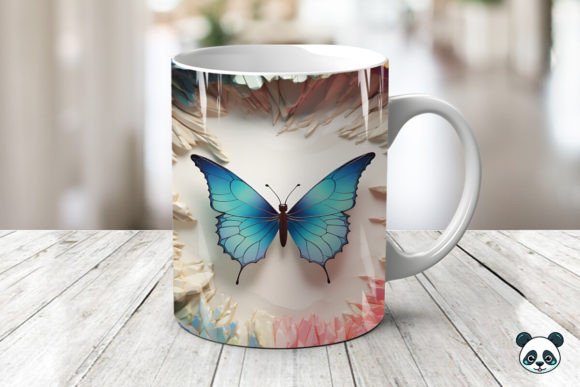
The concept of 3D marble effects in sublimation taps into a timeless aesthetic while utilizing modern digital printing capabilities. Unlike flat, two-dimensional patterns, these designs simulate depth, texture, and the organic flow of natural stone. When applied correctly via the sublimation process, the ink bonds with the polymer coating of the mug, making the design durable and dishwasher safe. However, achieving the "seamless perfection" advertised in premium wrap files requires more than just hitting print. It demands a workflow that respects the physical constraints of the substrate and the technical requirements of the printer.
Integrating Design Assets into Your Production Workflow
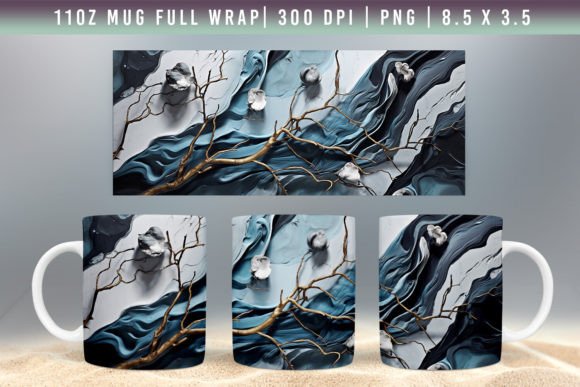
Before the heat press ever warms up, the success of your project is determined during the digital preparation phase. High-quality 3D Marble Mug Wrap Designs, Sublimation assets, such as the standard 8.5 x 3.5 inch PNG files, serve as the foundation. These dimensions are specifically calibrated for the standard 11oz mug, which remains the industry workhorse for promotional items and retail sales. Using a file with the correct aspect ratio eliminates the need for tedious cropping or stretching, which can distort the marble veins and ruin the 3D illusion.
When incorporating these designs into your routine, consider where they fit in your broader project timeline. For entrepreneurs managing multiple product lines, these wraps can be pre-loaded into design software templates. This allows for rapid customization where text or logos can be overlaid onto the marble background without compromising the underlying texture. The key here is organization. Maintaining a library of high-resolution (300 DPI) assets ensures that you are always ready to pivot from a generic stock design to a fully branded asset. A disorganized file system leads to version control errors, where low-resolution drafts might accidentally make it to the printing stage, resulting in pixelated outputs that damage professional credibility.
Furthermore, the usability of these designs extends beyond simple aesthetics. In a marketing context, the choice of a 3D marble pattern can convey specific brand attributes—luxury, stability, or modernity. By selecting the right color palette within the marble spectrum, you align the physical product with the client's brand identity before a single word of copy is written. This makes the design selection process a critical decision point in the client consultation phase, rather than an afterthought.
Technical Execution and Quality Control
Once the digital file is prepared, the focus shifts to the physical implementation. Sublimation is a chemical process that relies on heat and pressure to turn solid ink into gas, which then permeates the polymer coating of the mug. The quality of the 3D Marble Mug Wrap Designs, Sublimation output is heavily dependent on how well the wrap adheres to the curved surface during this transition. Any air pockets, wrinkles, or misalignments will result in white streaks or blurred areas, breaking the continuity of the marble effect.
To mitigate these risks, practical implementation involves rigorous preparation of the mug itself. Cleaning the surface with alcohol to remove oils and dust is a non-negotiable step. Even microscopic debris can create a barrier between the ink and the coating. When applying the wrap, tension is your ally. The design must be pulled taut around the mug to ensure the edges meet seamlessly. For 3D marble designs, where the pattern often flows continuously, a visible seam can be particularly jarring. Techniques such as using high-temperature tape to secure the overlap tightly, or trimming the design slightly to allow for a butt-edge rather than an overlap, can enhance the final look.
Consistency in heat pressing is another pillar of quality control. Different mugs may have slight variations in coating thickness or curvature. It is essential to establish a baseline time and temperature setting for your specific equipment and stick to it. Deviating from these parameters can lead to color shifts; for instance, the deep grays and whites in a marble design might turn yellowish if overheated or appear washed out if under-pressed. Keeping a log of press times, temperatures, and outcomes for different batches helps in refining this process over time, turning subjective guesswork into objective data.
Strategic Applications for Business and Creativity
The versatility of 3D Marble Mug Wrap Designs, Sublimation allows them to fit into various stages of a business workflow. For educators and trainers, these mugs serve as tangible rewards or personalized tools that foster a sense of belonging. The durability of sublimated items means they withstand daily use, keeping the brand or message visible long after the initial distribution. For freelancers and bloggers, offering customized marble mugs can be a lucrative add-on service. Because the design work is largely done via pre-made high-quality wraps, the time investment per unit is low, allowing for higher profit margins.
In the realm of product launches or event promotions, timing is everything. These design wraps facilitate rapid prototyping. You can visualize a final product quickly by printing a single sample before committing to a large run. This agility reduces waste and financial risk. Moreover, the visual appeal of 3D marble makes these items highly "shareable" on social media platforms. A visually stunning mug is more likely to be photographed and posted by the end-user, providing organic marketing reach that flat, single-color mugs rarely achieve.
It is also worth noting the compatibility of these designs with other customization methods. While sublimation covers the main body, the handle and bottom remain open for other touches, or the design can be paired with complementary products like coasters or tumblers that utilize similar marble aesthetics. Creating a cohesive product line enhances the perceived value of the offering. When a customer sees a matching set, the likelihood of purchasing the entire bundle increases, driving up the average order value.
Optimizing for Long-Term Efficiency
Sustaining a successful operation involving sublimation requires a mindset focused on long-term efficiency. This involves regular maintenance of equipment and continuous learning about new materials. As printer technology evolves, so do the capabilities for rendering complex textures like 3D marble. Staying updated on ink formulations and paper types can yield subtle but significant improvements in color vibrancy and detail resolution.
Additionally, inventory management plays a crucial role. Keeping a stock of blank mugs that are confirmed to work well with your specific sublimation settings prevents bottlenecks. Not all "sublimation mugs" are created equal; some have coatings that are more receptive to certain color profiles. Testing new batches of blanks against your trusted 3D Marble Mug Wrap Designs, Sublimation files ensures that you do not encounter surprises during a rush order.
Ultimately, the integration of these design wraps into your workflow is about balancing creativity with operational discipline. The 8.5 x 3.5 inch canvas provides a standardized format that simplifies planning, while the 3D marble aesthetic offers the creative freedom to produce eye-catching results. By treating the design file not just as an image but as a critical component of a larger manufacturing and branding process, you ensure consistency, reduce errors, and deliver a product that truly stands out. Whether for a morning brew or a corporate giveaway, the result is a tangible item that reflects careful planning and artistic vision.
Embracing this process allows professionals to scale their efforts without sacrificing quality. It transforms the act of making a mug from a sporadic craft into a reliable, repeatable business function. As you refine your techniques and deepen your understanding of how these wraps interact with the sublimation process, you build a foundation for sustainable growth in the custom merchandise market.