Integrating 3D Floral Paper into Professional Design Workflows
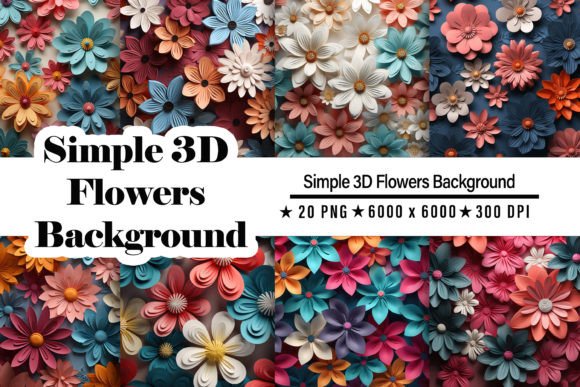
In the current landscape of digital design and physical crafting, the demand for assets that bridge the gap between flat imagery and tactile depth is rising. 3D Floral Paper represents a specific category of high-resolution digital assets designed to solve common texture and dimensionality problems for creators. Whether you are a graphic designer preparing a marketing campaign, a scrapbooker documenting family history, or an entrepreneur designing product packaging, understanding how to integrate these assets into your workflow is essential for maintaining efficiency and quality.
This guide explores the practical application of 3d flower paper and related digital textures. We will move beyond simple aesthetic appreciation to discuss how these files fit into the broader context of project planning, execution, and final delivery. The focus is on utility: how to select, organize, and apply these resources to achieve professional results without unnecessary friction.
Defining the Asset: Resolution and Usability
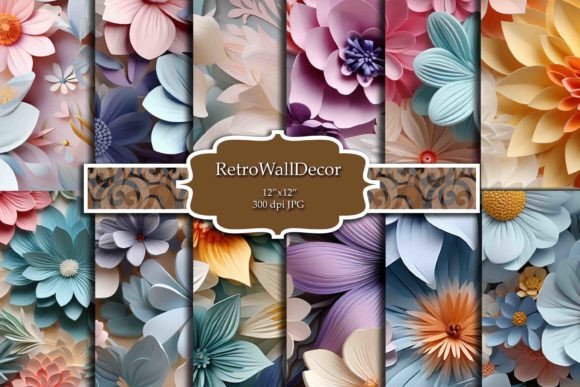
When sourcing materials for commercial or high-stakes personal projects, technical specifications dictate usability. A standard collection of Floral Digital Paper intended for professional use typically includes 12 high-quality JPEG files. The critical metric here is the resolution: 300 DPI (dots per inch) at a size of 12 x 12 inches, translating to 3600x3600 pixels.
Why does this matter in a workflow? If you are designing a physical invitation or a product box, printing at anything less than 300 DPI often results in pixelation or blurriness, which undermines the perceived value of the final product. The 3600x3600 pixel dimension ensures that the 3D background retains its crispness even if you need to crop the image or scale it slightly for different formats. For digital-only projects, such as social media graphics or website headers, this high resolution provides flexibility. You can downsample for web use while retaining a master file capable of handling future print demands. This "future-proofing" aspect is a key consideration during the asset acquisition phase.
Strategic Placement in the Creative Process
Integrating 3D Floral Paper is not merely a final decorative step; it influences decisions made at the beginning of a project. Effective workflow management involves determining where these textures fit within your timeline.
Pre-Production and Conceptualization
Before opening design software, professionals often curate their asset libraries. Having a organized folder of Floral Pattern files allows for rapid prototyping. When brainstorming concepts for a brand identity or a seasonal campaign, dragging and dropping a high-fidelity floral texture can instantly establish a mood board's direction. This reduces the time spent searching for generic images and allows you to visualize the interplay between typography and organic shapes early on.
During this phase, consider the color palette of the 3d flower paper. Does the lighting in the 3D render match the brand guidelines? Is the shadowing consistent with other elements in your layout? Addressing these questions before committing to a design saves hours of revision later.
Execution and Layering Techniques
Once the concept is approved, the implementation phase begins. In tools like Adobe Photoshop, Illustrator, or Procreate, Floral Digital Paper serves as more than just a backdrop. Here are practical methods for integration:
- Clipping Masks: Use the floral texture as a fill for text or vector shapes. This creates a cohesive look where the typography inherits the depth and lighting of the flower.
- Overlay Blending Modes: Place the 3D background on a top layer and experiment with blending modes like "Multiply," "Overlay," or "Soft Light." This allows underlying colors or gradients to show through, creating a custom Floral Background that feels unique rather than stock.
- Depth Simulation: Because the source files are rendered in 3D, they possess natural highlights and shadows. You can isolate specific petals or leaves using selection tools to create foreground elements that appear to sit on top of other design components, enhancing the parallax effect in digital presentations.
For those working in Seamless Paper applications, such as web backgrounds or large-format printing, the tiling capability of these patterns is crucial. A well-constructed seamless pattern ensures that when the image is repeated, no visible seams disrupt the visual flow. This requires careful alignment during the setup phase to maintain continuity across large surfaces.
Post-Production and Quality Control
The final stage involves rigorous quality control. Before exporting files for a client or sending them to a printer, verify that the 3D Floral Paper elements have not been compressed to the point of artifacting. Check the edges of any cut-out floral elements to ensure they blend naturally with the new background. Consistency is key; if you are producing a series of cards or a multi-page brochure, ensure the lighting direction in the floral assets remains consistent across all pages to avoid visual dissonance.
Application Across Different Industries
The versatility of 3D Floral Paper allows it to serve diverse professional needs. Understanding these specific use cases helps in tailoring the workflow to the end goal.
Scrapbooking and Memory Keeping
For hobbyists and professional memory keepers, scrapbooking has evolved from purely physical cut-and-paste to hybrid digital-physical workflows. High-resolution 3d flower paper can be printed on cardstock to create dimensional embellishments. Alternatively, they can be used in digital scrapbook layouts shared online. The 12x12 inch format aligns perfectly with standard scrapbook page sizes, minimizing waste and simplifying the layout process. The realistic shadows in 3D renders add a level of sophistication that flat illustrations often lack, making the memories feel more vibrant and preserved.
Card Design and Stationery
In the stationery industry, texture sells. A wedding invitation or a holiday card featuring a Floral Background with genuine depth perception stands out in a mailbox. Designers can use these assets to simulate embossing or foil stamping effects digitally before committing to expensive printing techniques. By manipulating the contrast and saturation of the 3D Floral Paper, one can mimic various printing finishes, allowing clients to approve a visual proof that closely resembles the final physical product.
Marketing and Branding
Marketers and small business owners often need to produce high-volume content quickly. A library of Floral Pattern assets enables the rapid creation of social media posts, email headers, and blog graphics. Instead of commissioning a photoshoot for every seasonal promotion, businesses can license a pack of 3D Floral Paper and adapt it to their branding. This approach significantly reduces production costs and turnaround time while maintaining a high aesthetic standard. The key is organization: tagging files by color, season, and flower type ensures that the right asset is retrieved instantly during a content sprint.
Optimizing Workflow Efficiency
To truly benefit from these assets, one must adopt a systematic approach to file management and usage. Randomly downloading and dumping files into a generic folder leads to inefficiency.
- Standardized Naming Conventions: Rename files upon download to include descriptors like "3D-Rose-Gold-300DPI.jpg" or "Seamless-Peony-Blue.jpg." This makes searching via operating system tools instantaneous.
- Centralized Asset Management: Use software like Adobe Bridge, Eagle, or even a structured cloud drive to preview images without opening heavy design programs. This speeds up the selection process during the conceptual phase.
- Template Creation: If you frequently use 3D Floral Paper for specific deliverables (e.g., Instagram stories), create templates with the layers pre-set. Drop in the new texture, adjust the hue/saturation, and export. This turns a 30-minute task into a 5-minute operation.
- Version Control: Always keep the original 3600x3600 px file untouched. Work on copies or linked smart objects. This ensures that if a client requests a change in direction six months later, you still have the pristine source file available.
Long-Term Value and Adaptability
Investing in high-quality Floral Digital Paper is a strategic decision for long-term resource building. Unlike trend-specific graphics that may look dated in a year, classic floral motifs combined with modern 3D rendering techniques tend to have a longer shelf life. They can be recolored, cropped, and recontextualized for years.
Furthermore, these assets facilitate collaboration. When working with a team or outsourcing parts of a project, providing a standardized set of 3D background files ensures that everyone is working with the same visual language. This reduces miscommunication and ensures brand consistency across different touchpoints, whether it's a website banner designed by a freelancer or a brochure laid out by an internal team.
In conclusion, 3D Floral Paper is more than a decorative element; it is a functional tool that, when integrated thoughtfully, enhances the speed, quality, and professionalism of creative output. By respecting the technical specifications, organizing assets logically, and applying them strategically throughout the design lifecycle, creators can leverage these resources to elevate their work efficiently. Whether the goal is a single handmade card or a comprehensive brand overhaul, the principles of preparation, compatibility, and execution remain the same. Mastering the use of these digital textures allows professionals to focus less on hunting for assets and more on the art of creation itself.