Crafting Depth: The 3D Cat Head SVG Guide
There is a distinct satisfaction in transforming a flat sheet of material into an object that occupies space, casts a shadow, and demands attention from multiple angles. This is the core appeal of the 3D Cat Head SVG and Cat Multilayer Svg designs. Unlike traditional two-dimensional cutouts that rely solely on color or surface texture, these vector models utilize depth to create visual interest. They represent a shift from simple crafting to structural design, offering creators a versatile foundation for projects that range from delicate paper art to durable home decor.
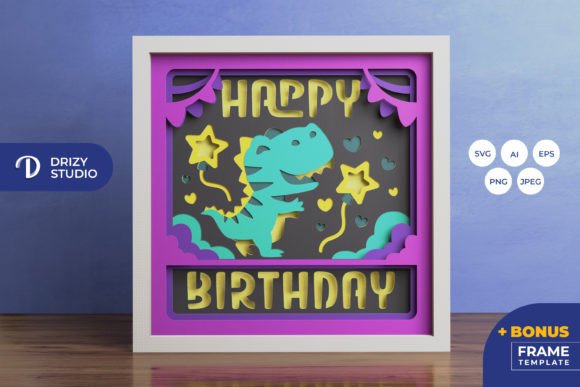
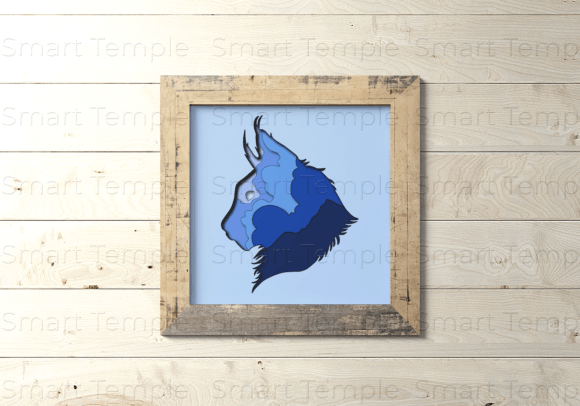
At its heart, this digital product is a vector model of a Shadow Box. It relies on a layered design philosophy where individual slices of the image are stacked with spacers to create a three-dimensional effect. When you download the ZIP-archive containing the SVG, AI, PNG, and DXF files, you are receiving a blueprint for construction, not just an illustration. This distinction is crucial for anyone looking to elevate their work beyond standard decals or prints. The files are optimized for precision cutting on machines like the Cricut, Silhouette Cameo, laser engravers, and CNC routers, ensuring that every curve and contour aligns perfectly when assembled.
Understanding the Mechanics of Layered Design
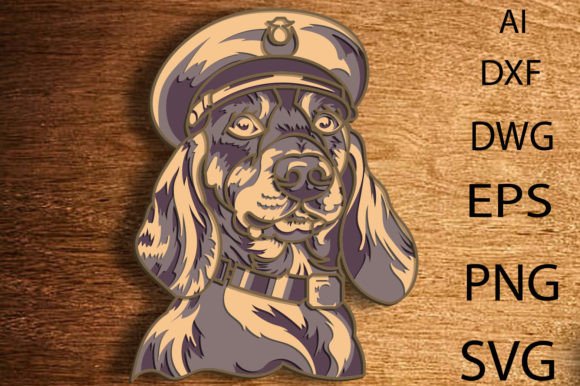
The magic of a Cat Multilayer Svg lies in its separation. A standard image is a single entity; a multilayer file is a collection of components waiting to be reassembled with intention. Each layer represents a specific depth plane of the cat's head—perhaps the outline of the ears, the shape of the eyes, the bridge of the nose, or the whiskers. By cutting these layers from materials like cardboard, paper, plastic, metal, plywood, wood, or MDF, and stacking them with adhesive foam or wooden dowels, you create physical volume.
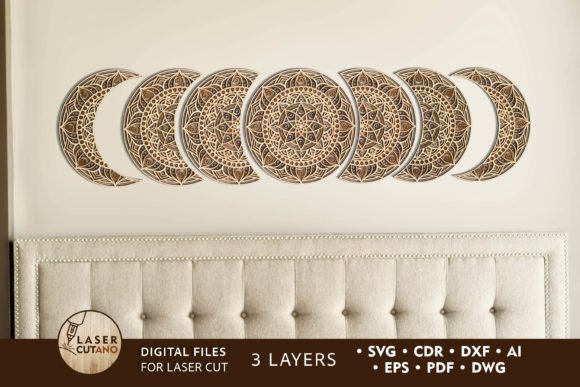
This approach allows for incredible control over the final aesthetic. If you are working with paper, the shadows cast between the layers add a soft, organic feel, perfect for greeting cards or nursery art. If you choose wood or MDF, the layers become architectural, creating a bold statement piece suitable for a living room mantle or a boutique retail display. The versatility of the file formats ensures compatibility across different workflows. Whether you are a hobbyist using a desktop cutter or a professional operator managing a large-format laser, the DXF and AI files provide the scalability needed for high-quality output.
Creative Applications Across Industries
The utility of a 3D Cat Head SVG extends far beyond a weekend hobby project. For small business owners and entrepreneurs, these designs offer a low-overhead way to produce high-value goods. Consider the potential for personalized pet memorials. By adjusting the scale and selecting premium materials like walnut plywood or brushed aluminum, creators can offer bespoke commissions that honor a client's beloved companion. The layered nature of the design allows for customization, such as adding a nameplate on the base layer or incorporating specific color accents in the eyes.
Educators and workshop leaders can also leverage these files to teach principles of engineering and design. Assembling a shadow box requires an understanding of tolerance, spacing, and structural integrity. Students learn how slight variations in material thickness affect the overall alignment of the piece. It is a practical lesson in spatial reasoning that results in a tangible, rewarding product. Furthermore, marketers and bloggers can use these visuals to create engaging content. A time-lapse video of a flat sheet of paper evolving into a 3D feline sculpture is inherently shareable and demonstrates craftsmanship effectively.
For interior designers and home decorators, the ability to swap materials changes the entire vibe of the piece. A version cut from white cardstock offers a minimalist, Scandinavian look. The same design cut from rusted metal or dark stained wood introduces an industrial or rustic element. This adaptability means a single digital purchase can yield dozens of unique physical products, catering to diverse customer tastes without requiring new design work.
Material Selection and Execution Strategies
Success with a Cat Multilayer Svg depends heavily on material choice and preparation. While the digital files are ready to use, the physical outcome is dictated by what you cut. Here are practical considerations for common materials:
- Paper and Cardstock: Ideal for intricate details and quick prototypes. Use double-sided adhesive sheets between layers to maintain clean edges without visible glue lines. This is perfect for greeting cards or scrapbooking elements.
- Plywood and MDF: These woods provide stability and a natural grain that enhances the organic subject matter. Ensure your laser settings are calibrated to avoid burn marks on the edges, which can ruin the crisp look of the layers. Sanding between cuts may be necessary for a polished finish.
- Acrylic and Plastic: Offers a modern, sleek appearance. Frosted acrylics work particularly well for shadow boxes as they diffuse light, creating a glowing effect if backlit. Be mindful of the protective film; leaving it on during cutting can prevent scratches but must be peeled carefully afterward.
- Metal: Requires robust machinery like a CNC router or high-power laser. Metal layers add significant weight and durability, making them suitable for outdoor signage or long-lasting installations. Deburring the edges is essential for safety and aesthetics.
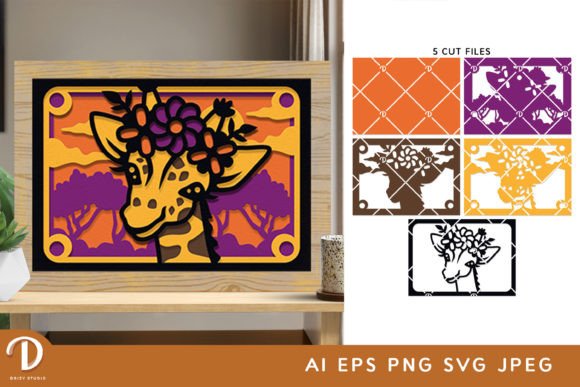
When preparing your files, always verify the dimensions against your material size. The included PNG files serve as excellent visual references for assembly order, helping you visualize the final stack before you make a single cut. If your specific project requires a different file type not included in the standard ZIP-archive, reaching out to the creator is often a viable option to ensure your workflow remains uninterrupted.
Maintaining Consistency and Quality
To keep your results clear, effective, and organized, consistency in your assembly process is key. When producing multiple units, perhaps for a craft fair or online store, develop a jig or template for spacing. This ensures that every unit has the same depth and alignment, reinforcing your brand's reputation for quality. Inconsistent spacing can make a professional product look amateurish.
Originality comes from how you interpret the base design. Do not feel bound to use the layers exactly as provided. You can omit certain inner layers for a more abstract look or add extra spacer layers to exaggerate the depth for a dramatic effect. The 3D Cat Head SVG is a starting point, not a rigid constraint. Experiment with mixing materials—perhaps a wooden base with acrylic facial features—to create hybrid textures that stand out in a crowded market.
Ultimately, the value of these vector models lies in their ability to bridge the gap between digital convenience and tactile reality. They empower creators to produce objects that interact with light and space in meaningful ways. Whether you are crafting a gift, building a product line, or teaching a class, the layered approach offers a structured yet flexible path to creativity. By focusing on precise execution and thoughtful material selection, you can transform simple digital paths into compelling physical art.